
"Brazilian coffee origin"
3000 article(s) found

Coffee recipe for Creative Coffee beans Brazilian coffee
Coffee Origin Formula: Brazilian Coffee name: Caf Brasileno Origin: Brazilian, Mexican ingredients: deeply cultivated Coffee 100cc; Chocolate Juice 30cc; Salt very little; Milk 60cc; stirred Cream 20cc; Operation: put chocolate juice into the cup, pour coffee, sprinkle with a very small amount of salt. Then, add the hot milk and cover it with whipped cream. In coffee
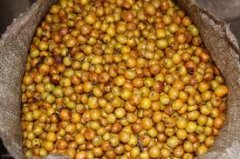
What are Brazilian coffee brands? What is the best Brazilian coffee brand pilao?
Professional coffee knowledge exchange More coffee bean information Please pay attention to coffee workshop (Weixin Official Accounts cafe_style) to learn more about Brazil, the world's largest coffee producing country. Brazilian coffee bean grade coffee bean is the seed of coffee fruit. After factory treatment, roasting, coffee grinder grinding and brewing, it will finally become the coffee we drink. It's like drinking wine, it's like drinking wine

Brazilian coffee flavor Brazilian coffee characteristics
Brazilian coffee generally refers to coffee produced in Brazil. There are many kinds of coffee in Brazil. Like other Arabica coffee, Brazilian coffee is called Brazils to distinguish it from Milds coffee. The vast majority of Brazilian coffee is unwashed and sun-dried and is classified according to the name of the state of origin and port of transport. Brazil has 21 states and 17 states produce coffee, but four of them produce the most coffee.

The characteristics and Origin of the passionate Brazilian Santos Coffee
Santos coffee (Santos Coffee) is mainly produced in Sao Paulo, Brazil. This kind of coffee acid, sweet and bitter is neutral, moderate concentration, with moderate sour taste, elegant and special taste, is the best blending beans, known as the strong coffee, but the taste is also good. Brazil is located in South America, about 15 degrees south latitude. Coffee culture in Brazil began in 1727 and sprang up in the north of Brazil.

Coffee Origin-Brazil
Brazil has been figuratively compared to the coffee world's "giants" and "kings." There are about 3.97 billion coffee trees, and small farmers now grow 75 percent of the country's coffee. Brazil has twice or even three times as many coffee producers as Colombia, which is the world's second-largest coffee producer.
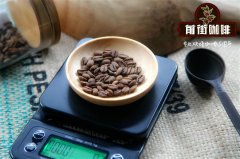
Brazilian coffee, Brazil is a big coffee country in the world.
Brazilian coffee generally refers to coffee produced in Brazil. There is a wide variety of Brazilian coffee, the vast majority of which are unwashed and sun-dried, classified according to the name of the state of origin and the port of transport. Brazil has 21 states and 17 states produce coffee, but four of them produce the largest, accounting for 98% of the country's total output. Brazilian coffee has a low sour taste, which goes well with coffee.

A brief introduction to the History and Culture of the Origin and Development of Brazilian Hilado Fine Coffee beans
Cerrado Syrador is a producing area. Cerrado Syrador coffee beans are treated by Brazilian traditional pulp natural drying (Pulped Natural). Because coffee beans are dried with pulp (Pulp) and pectin (Mucilage), they retain high organic matter, minerals and soluble solids. This kind of coffee bean has a strong aroma and is slightly sweet with Qiaokoli.
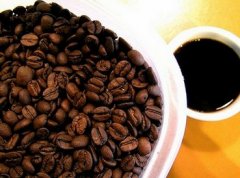
Introduction to boutique coffee basic knowledge of Brazilian coffee
Brazilian coffee generally refers to coffee produced in Brazil. There is a wide variety of Brazilian coffee, the vast majority of which are unwashed and sun-dried, classified according to the name of the state of origin and the port of transport. Brazil has 21 states and 17 states produce coffee, but four of them produce the largest, accounting for 98% of the country's total output. Brazilian coffee has a low sour taste, which goes well with coffee.

Taste of Brazilian Coffee Flavor Manor production area introduces the characteristics of Brazilian coffee boutique coffee beans
Brazilian coffee generally refers to coffee produced in Brazil. There are many kinds of coffee in Brazil. Like other Arabica coffee, Brazilian coffee is called Brazilian coffee Brazils to distinguish it from Milds coffee. The vast majority of Brazilian coffee is unwashed and sun-dried and is classified according to the name of the state of origin and port of transport. Brazil has 21 states and 17 states produce coffee, but among them

Flavor characteristics of Syrador coffee beans in Brazilian coffee producing area taste describes how Brazilian coffee tastes good
Brazilian Hilado coffee bean characteristics grinding degree flavor description production area: Syrador variety: yellow bourbon treatment: sun flavor: light citrus fruit, rich cashew nut flavor, chocolate sweet taste: sweet and mild soft fruit acid, thick sweet taste default baking degree: in 2005, taking into account the certificate of origin, in the finger

The Origin Story of Brazilian Yellow bourbon Coffee what is the flavor of Brazilian Hirado Cerrado coffee
Professional coffee knowledge exchange more coffee bean information please follow the coffee workshop (Wechat official account cafe_style) Brazilian coffee bean varieties are basically divided into Arabica and Robasta beans. There are 2, 000 to 3, 000 varieties of Arabica beans, all of which are derived from Tibica Typica of Ethiopia and bourbon Bourbon of Yemen after being transplanted into Central and South America or Asia.
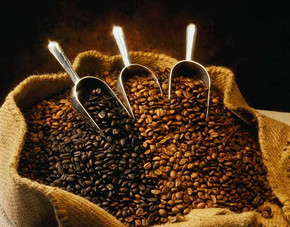
Varieties of Brazilian coffee beans, roasting of Brazilian coffee
Following caf é (Wechat official account vdailycom) found that Beautiful Cafe opened a small shop of its own when it comes to the origin of coffee, the first thing that comes to mind is Brazil in South America, because it is the largest coffee producer in the world. There is a wide variety of Brazilian coffee, the vast majority of which are unwashed and sun-dried, classified according to the name of the state of origin and the port of transport. Brazil has 2.

Brazilian Coffee Bean Variety Characteristics Region Treatment Flavor Description
Professional barista exchanges, please pay attention to coffee workshop (Weixin Official Accounts cafe_style ) Brazilian coffee varieties Although coffee has diversity, Brazilian coffee is suitable for public taste. For example: coffee produced in northern coastal areas has a typical iodine taste, reminiscent of the sea after drinking. This coffee is exported to North America, the Middle East and Eastern Europe. There's also something interesting and worth pursuing.

Characteristics of Brazilian coffee beans Arabica coffee beans are suitable for hand-brewing coffee.
Following Cafe Review (Wechat official account vdailycom) found that Beautiful Cafe opened a small shop of its own Brazilian Coffee refers to coffee produced in Brazil. There is a wide variety of Brazilian coffee, the vast majority of which are unwashed and sun-dried, classified according to the name of the state of origin and the port of transport. Brazil has 27 states and 17 states produce coffee, but four of them produce the most coffee.

The characteristic varieties and flavors of Brazilian Coffee describe the planting History
Professional baristas exchange please follow the coffee workshop (Wechat official account cafe_style) Brazilian coffee characteristics of Brazilian coffee generally refers to the coffee produced in Brazil. There is a wide variety of Brazilian coffee, the vast majority of which are unwashed and sun-dried, classified according to the name of the state of origin and the port of transport. Brazil has 27 states and 17 states produce coffee, but four of them produce the most coffee.
Individual coffee is recommended to meet Brazilian coffee
Brazilian coffee Brazils to distinguish it from Milds coffee. The vast majority of Brazilian coffee is unwashed and sun-dried and is classified according to the name of the state of origin and port of transport. Brazil has 21 states and 17 states produce coffee, but four of them produce the largest, accounting for 98% of Brazil's total output. They are: Parana, SaoPaulo and rice.
Introduction to Brazilian Coffee
Brazilian coffee generally refers to coffee produced in Brazil. There is a wide variety of Brazilian coffee, the vast majority of which are unwashed and sun-dried, classified according to the name of the state of origin and the port of transport. Brazil has 21 states and 17 states produce coffee, but four of them produce the largest, accounting for 98% of the country's total output. Brazilian coffee has a low sour taste, which goes well with coffee.

Brazilian Coffee introduction, Brazilian Coffee weight loss?
Following Cafe Review (Wechat official account vdailycom) found that Fairview Cafe opened a small shop of its own and there are many kinds of Brazilian coffee. Like other Arabian coffee, Brazilian coffee is called Brazils to distinguish it from Milds coffee. The vast majority of Brazilian coffee is unwashed and sun-dried and is classified according to the name of the state of origin and port of transport. There are 21 states and 17 states in Brazil

Brazilian Coffee Bean Brand recommends Brazilian Santos Yellow bourbon Coffee Variety Story Flavor
Professional coffee knowledge exchange more coffee bean information please follow the coffee workshop (Wechat official account cafe_style) as there are so many kinds of coffee in Brazil, you can't just use the word Brazilian coffee to include it. The vast majority of Brazilian coffee is unwashed and sun-dried and is classified according to the name of the state of origin and the port of transport. Brazil has 21 states and 17 states produce coffee, but

Regional flavor of Brazilian coffee producing areas how many large producing areas of Brazilian coffee are there any differences in producing areas?
Professional coffee knowledge exchange more coffee bean information please follow the coffee workshop (Wechat official account cafe_style) Brazil coffee producing area: rich coffee bean exporter Brazil, produces coffee beans, the best selection is called "Brazilian coffee". Brazilian coffee ranks first in coffee production in the world. Formal coffee cultivation began around 1850, starting from Sao Paulo in southeastern Brazil.